07.08.2026
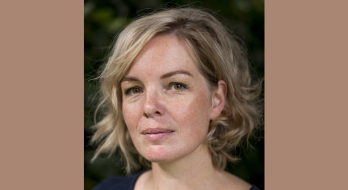
In der ersten englischsprachigen Folge des ZZF-Podcasts spricht Lee Holt mit Bodie Ashton über Diversität in der Zeitgeschichte.
03.08.2026
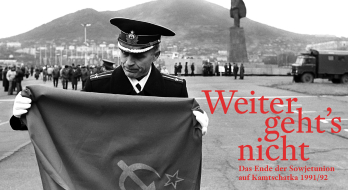
Der Historiker Jaromír Balcar bearbeitet das Projekt seit 1. August 2026 am ZZF Potsdam.
Tagung an der Universität Bielefeld vom 24. bis 26. Februar 2027, Deadline: 15. Oktober 2026.
21.07.2026
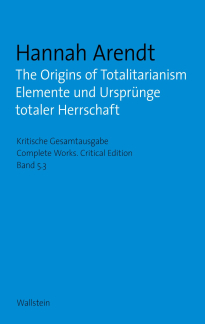
Online-Edition im Diamond Open Access auf zdbooks veröffentlicht.
Dissertation zur transnationalen Solidarität zwischen der Bundesrepublik Deutschland und Nordirland während des Nordirlandkonflikts
20.07.2026
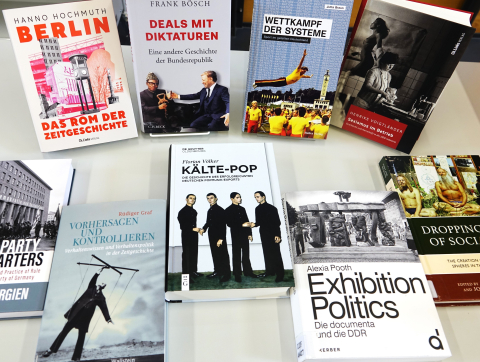
Beiträge zum Verhältnis von Wissen, Wissenschaft und Gesellschaft (hrsg. von Kerstin Brückweh und Svetlana Burmistr)
14.07.2026
Frederik Seeler wird für seine von Annette Vowinckel betreute Masterarbeit ausgezeichnet.
08.07.2026
Lara Büchel untersuchte den Wandel der Geisteswissenschaften an den Hochschulen in Potsdam und Dresden.
28.06.-04.10.2026 | Eisenhüttenstadt, Museum für Utopie und Alltag
Fortsetzung der Ausstellung, die zuletzt im Brandenburg Museum Potsdam zu sehen war, kuratiert am ZZF.
31.08.-04.09.2026 | Fürstenberg/Havel
Lager – Räume – Nachbar:innen. Konzentrationslager in ihrem Umfeld
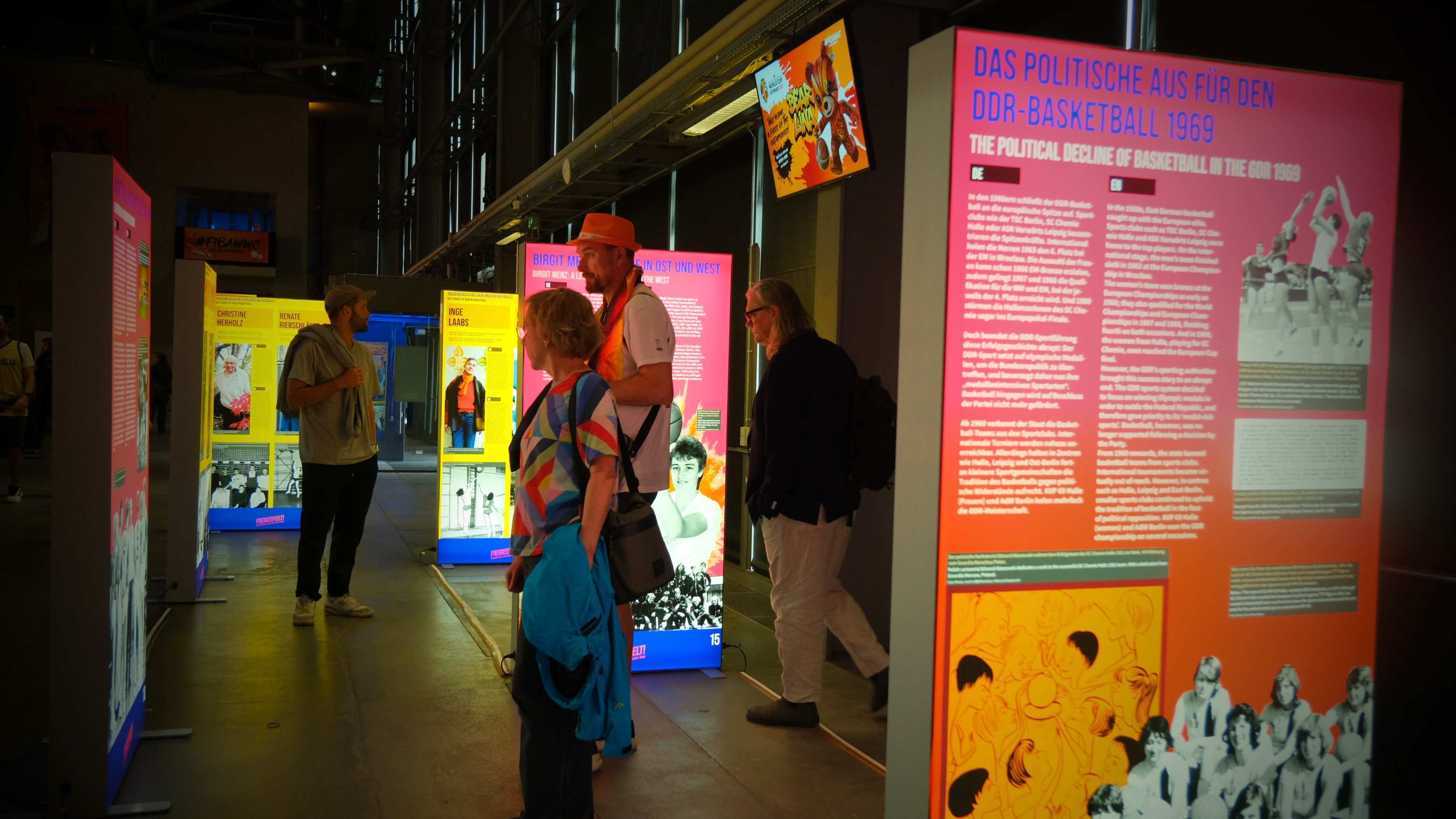
Mittwoch, 02. September 2026 | 18:30 Uhr | BerlinVeranstalter: Landeszentrale für politische Bildung Berlin, ZZF PotsdamDiskussion im Vorfeld der Ausstellung in den Spielstätten des FIBA Women’s Basketball World Cups 2026 in Berlin
To mark the upcoming FIBA Women's Basketball World Cup 2026 in Berlin, ZZF Potsdam will be working with partners to shed light on the history of this popular sport.
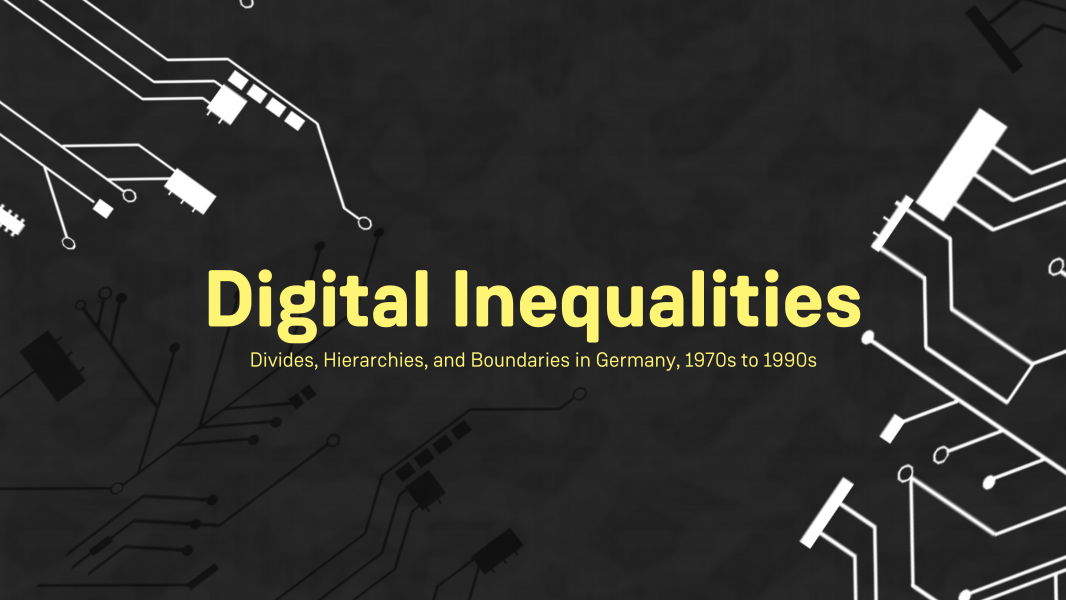
The project focuses on the previously little-discussed downsides of digitalization. It explores how the sometimes hidden biases of technological systems affect the world of work, gender relations, the education system, and migration regimes.
Funded by the State of Berlin, this project implements a resolution passed by the Berlin House of Representatives.
The Leibniz Centre for Contemporary History Potsdam (ZZF) is an institute that researches contemporary history in the twentieth century and its relationship to the present.
The five research departments: Communism and Society; Knowledge – Economy – Politics; Media and Information Society; Regimes of the Social Sphere; Globalizations in a Divided World
More than 160 people research and work at the ZZF. Here you can find an overview of the institute's staff
View this post on Instagram Shared post on Time
Shared post on Time