20.10.2026
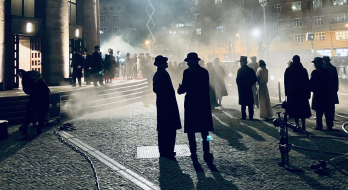
Eine Analyse der fünften Staffel der Erfolgsserie von Hanno Hochmuth und Bettina Köhler.
19.10.2026
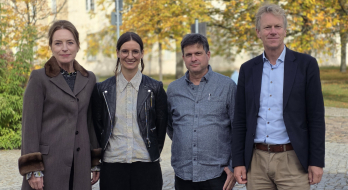
Ihre Arbeit zum Außenhandel der DDR überzeugte die Jury. Preisübergabe wird im März 2027 sein.
15.10.2026
Ihre Dissertation zur NPD-Jugendorganisation „Junge Nationaldemokraten“ schließt eine gravierende Forschungslücke.
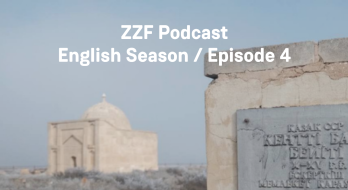
In this fouth episode of the ZZF Podcast in English host Lee Holt talks to Abigail Scripka about their research.
14.10.2026
Der ZZF-Freundeskreis lädt am 19. November 2026 zur Preisverleihung ein.
13.10.2026
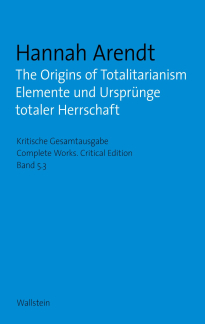
Der Beitrag ist der letzte Text von Konrad H. Jarausch (1941 – 2026) und bildet sein historisch-politisches Vermächtnis.
12.10.2026
Autorin Hedwig Richter fragt nach Entstehung und der aktuellen Bedeutung von Demokratie.
09.10.2026
Die Redaktion der Berliner Tageszeitung ”Tagesspiegel“ hat auch in diesem Jahr Wissenschaftler*innen für ihre Forschung ausgezeichnet.
Donnerstag, 5. November 2026 | 18 Uhr | PotsdamOrganisation: ZMSBw, Stiftung Garnisonkirche
Impulsvorträge und Zeitzeugengespräche in der fünften Veranstaltung der Reihe »Potsdamer Gespräche 2026« des Forums Neuer Markt
11.11.2026 - 10.01.2027 | Stadt- und Landesbibliothek Potsdam
Ausstellung des Leibniz-Labs "Umbrüche und Transformationen". Der Eintritt ist frei.
12.-13. November 2026 | Berlin
Jahrestagung des Leibniz-Forschungsverbund »Wert der Vergangenheit«Veranstalter: Leibniz-Forschungsverbund »Wert der Vergangenheit«, in Kooperation mit der Friedrich-Ebert-Stiftung
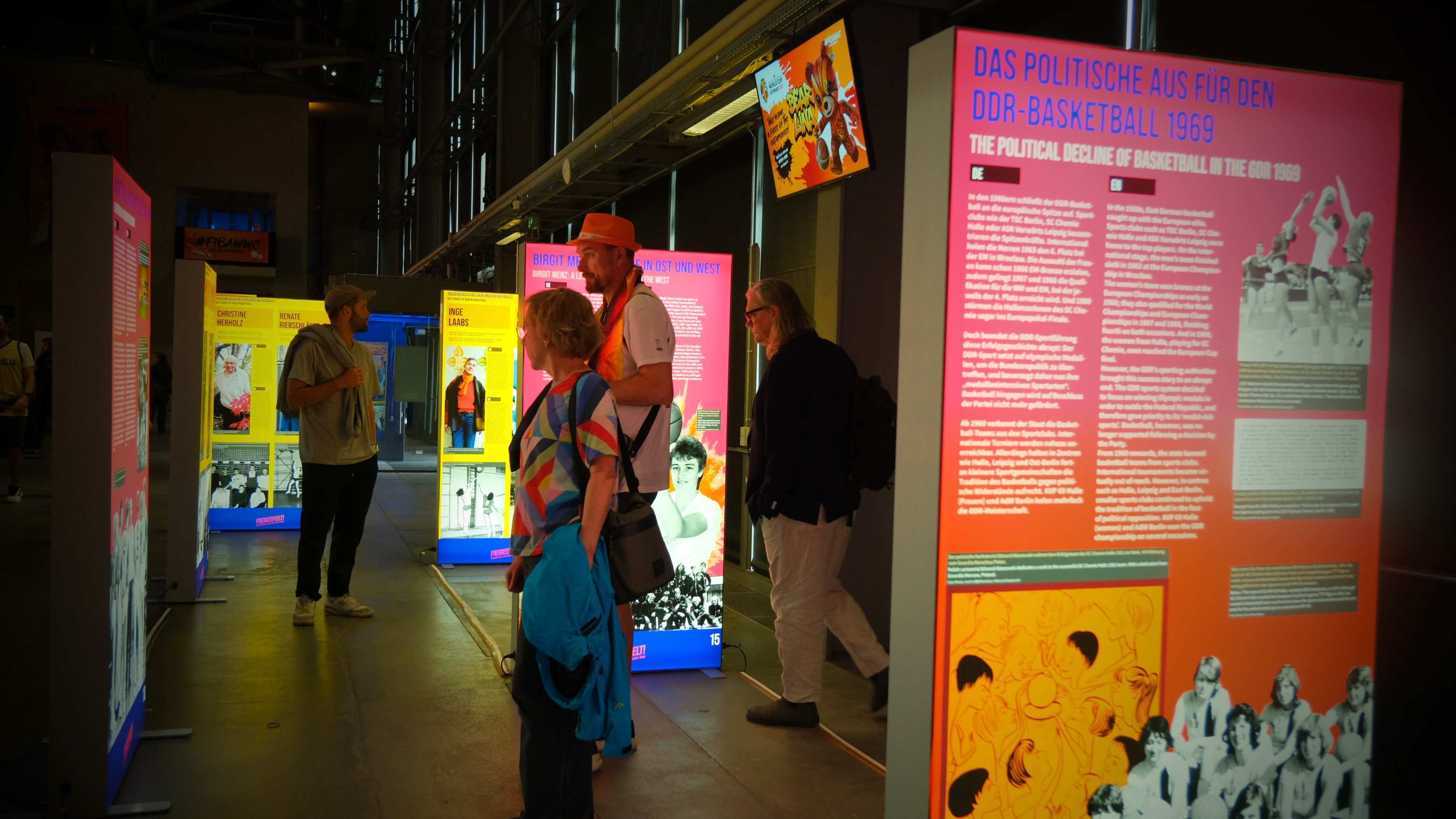
To mark the upcoming FIBA Women's Basketball World Cup 2026 in Berlin, ZZF Potsdam will be working with partners to shed light on the history of this popular sport.
The project focuses on the previously little-discussed downsides of digitalization. It explores how the sometimes hidden biases of technological systems affect the world of work, gender relations, the education system, and migration regimes.
Funded by the State of Berlin, this project implements a resolution passed by the Berlin House of Representatives.
The Leibniz Centre for Contemporary History Potsdam (ZZF) is an institute that researches contemporary history in the twentieth century and its relationship to the present.
The five research departments: Communism and Society; Knowledge – Economy – Politics; Media and Information Society; Regimes of the Social Sphere; Globalizations in a Divided World
More than 160 people research and work at the ZZF. Here you can find an overview of the institute's staff
View this post on Instagram Shared post on Time
Shared post on Time