Research project
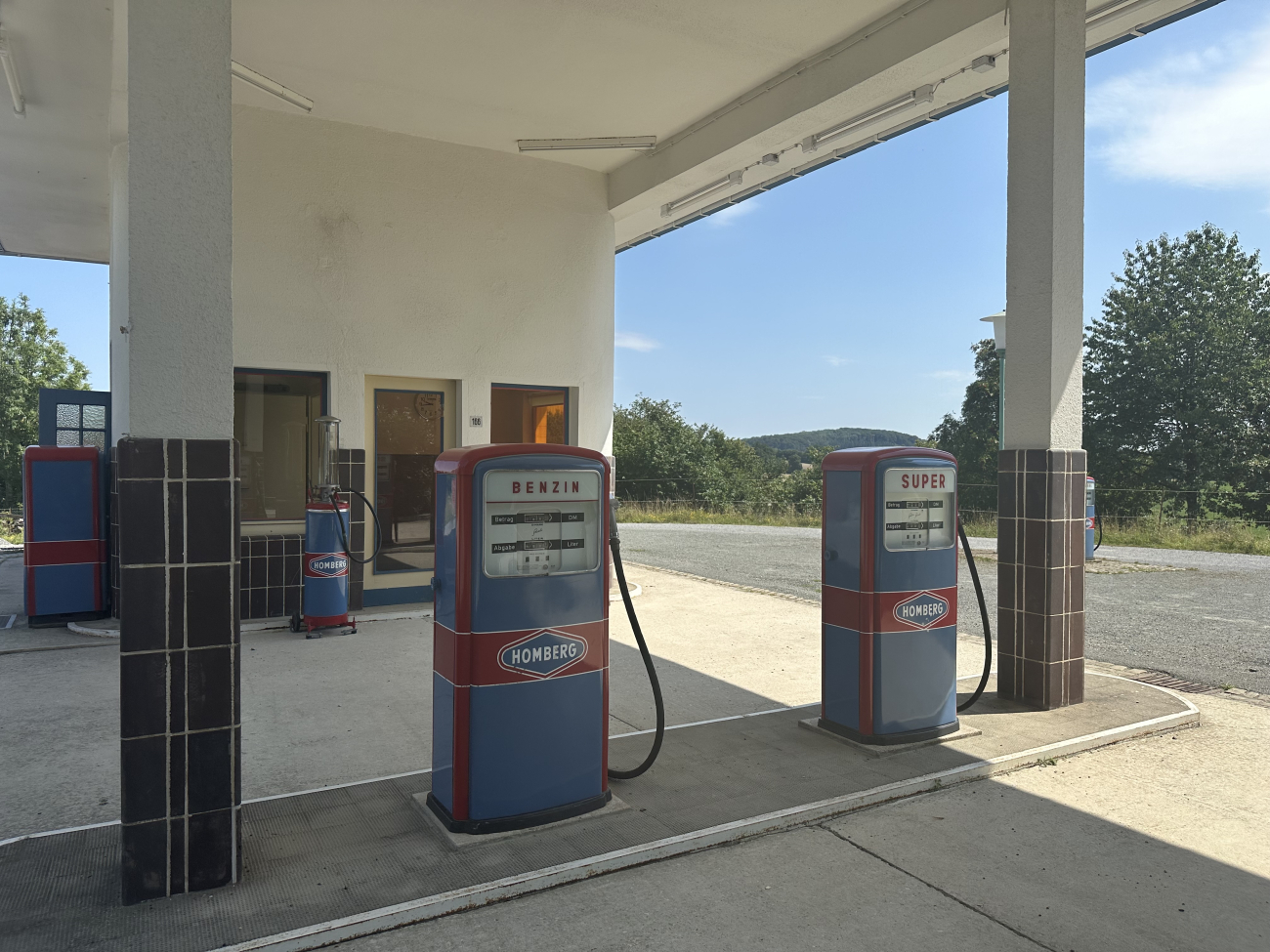
Gas stations represent a spatial model emblematic of consumer society and of forms of urbanity shaped by the widespread use of private cars. Originally placed within city borders and mostly relocated to urban peripheries by the late twentieth century, gas stations are now scattered across the territory. They are social places in which a variety of actors come into interaction. This subproject reconstructs the history of gas stations in Western Europe since the 1950s, locating them within a broader context of expanding international oil policies that form the backdrop to the everyday life of their users. It focuses on a comparative analysis of West Germany and Italy, which both emerged from dictatorial regimes but followed different oil-political trajectories. While in Italy the fuel distribution sector was dominated by the state-owned oil company ENI, in West Germany it was primarily controlled by large multinational corporations such as Shell and Esso, alongside major national groups like Aral. Through a multiscalar account, the history of gas stations follows the circulation of oil and power from global and national arenas to local sites, where they become embedded in ordinary social practices.