PhD project
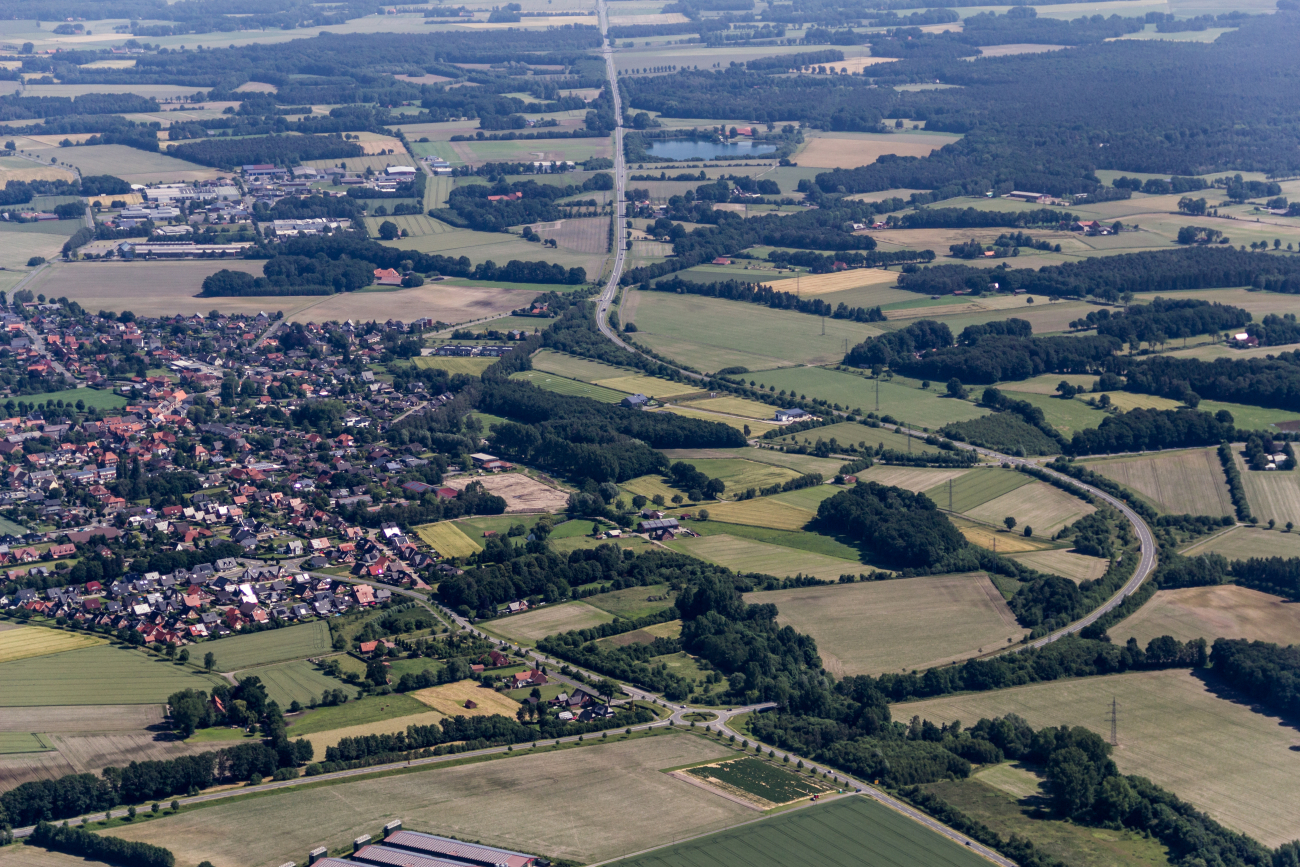
The project examines how automobile-based – and thus energy-intensive – lifestyles spread in the Federal Republic of Germany between 1950 and 2000 and, at the same time, came under criticism in the wake of debates on environmental pollution and climate change. Looking at the construction of bypass roads, the study analyzes the tension between growing motorization and changing environmental perceptions. It examines conflicts and normalization processes surrounding local construction projects, regional forms of (environmental) knowledge production, and changes in political transport planning. Geographically, it focuses on the ‘old’ Federal Republic of Germany but includes the eastern German states from the 1990s onwards. The case studies give the project a transregional orientation, but it is also embedded in national and international trends in transport planning and the ‘Great Acceleration’. By focusing on the expansion and ambivalences of motorization, the project aims to open up new perspectives on established narratives of German contemporary history, such as “liberalization” or “ecologization,” and its periodization.