English Version below
Queere deutsch-türkiyeli Kreativität in der Berliner Clublandschaft der 1990er Jahre
Die Stadt Berlin ist seit den 1980er Jahren zum Drehpunkt der globalen Clubszene geworden und die Clubs wurden schnell zum Symbol für die heutige Hauptstadt. Heute werden die erheblichen Beiträge queerer Menschen of Color in der Clubszene jedoch wenig im historischen Zusammenhang betrachtet. Dieses Projekt stellt queere Menschen of Color in den Mittelpunkt einer neuen Kulturgeschichte der Szene. Ich analysiere die Kreativität queerer Künstler_innen mit Verbindungen zum geografischen Raum der Türkei (z.B. deutsch-türkischer, -kurdischer, -armenischer, -arabischer oder -alevitischer Kunstschaffender). Sie leisteten und leisten einen zentralen Beitrag zur Entwicklung der Berliner Clublandschaft durch ihre Arbeit in verschiedensten Medien, von Flyern und visueller Kunst bis hin zu Drag und Performance, Clubnächten wie dem „Gayhane“ und sogar zum Spielfilm. Werke und Performances von Fatma Souad, İpek İpekçioğlu, Cihangir Gümüştürkmen, Sabuha Salam und anderen haben den Ruf der Berliner Clubs mit etabliert. Sie haben einen Einfluss auf deutsch-türkiyeli Kunst und weltweit auf die Clubkultur ausgeübt, und sich vor dem Hintergrund wachsenden Nationalismus in Deutschland und in der Türkei queer und rassismuskritisch mit Heimat, Diaspora, Orientalismus, Deutschsein und Türkischsein auseinandergesetzt. Das Projekt stellt einen Teil meines größeren Buchprojekts zur Kreativität queerer Menschen of Color um die deutschen Clubs seit den 1980er Jahren dar.
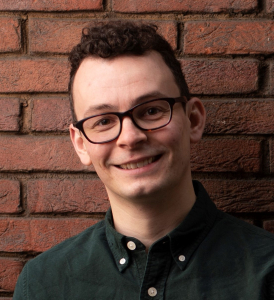
Dr Tom Smith ist Senior Lecturer in German am Department of German, School of Modern Languages an der University of St Andrews. Am ZZF Potsdam forscht er als Leibniz Summer Fellow an seinem Projekt weiter und ist Gast in Abteilung III: Medien- und Informationsgesellschaft.
Englisch Version
Queer Türkiyeli-German Creativity in Berlin’s Club Scene in the 1990s
Since the 1980s, Berlin has become a creative centre in the global club scene and its clubs have come to symbolise today’s German capital. Yet the considerable contributions of queer artists of colour to the club scene are rarely analysed in their historical context. This project centres queer people of colour in a new cultural history of the scene. I analyse creative works by queer artists with connections to Turkey (including Turkish-, Kurdish-, Armenian-, Arab- and Alevi-German artists). They have played – and are still playing – a central role in the development of Berlin’s club scene through art across media, from flyers and visual art to drag and performance, club nights like “Gayhane” and even film. Works and performances by Fatma Souad, İpek İpekçioğlu, Cihangir Gümüştürkmen, Sabuha Salam and others helped establish the reputation of Berlin’s clubs. They contributed to shaping Türkiyeli-German art more broadly, influenced club culture globally and offered queer and antiracist critiques of concepts of home and homeland, diaspora, Orientalism, Germanness and Turkishness in the context of rising nationalism in Germany and Turkey. This project is part of my wider book project on the history of queer of colour creativity around Germany’s clubs since the 1980s.
Dr Tom Smith is a Senior Lecturer in German in the Department of German, School of Modern Languages, at the University of St. Andrews. At the ZZF Potsdam he is continuing his research on his project and is a Leibniz Summer Fellow in Department III: Media and Information Society.