A Microhistory of a Communal Massacre. The Life, Death, and Afterlife of a Polish-Jewish Town
Project
The proposed project turns a magnifying glass on the town of Rajgród, in northeast Poland, where local Poles murdered dozens of their Jewish neighbors in the nearby forest and dumped their bodies in a communal grave in late June 1941. Combining archival research and field study and drawing on tools and insights from the history of everyday life, memory studies, and cultural anthropology, this micro historical project examines questions of pre- and post-war Polish-Jewish relations, victims’ survival strategies, inter-ethnic violence and its repercussions, and the social dynamics of genocide, as well discussing the material and cultural implications of the Holocaust, the fate of Jewish movable property and private and communal spaces, and questions of collective remembrance.
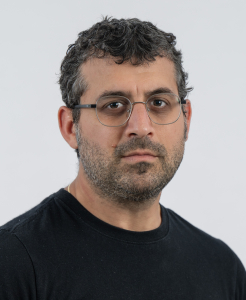
During his stay at the ZZF Potsdam Dr. Yechiel Weizman is Visiting Fellow in the Department Communism and Society in the project The Memory of “the Jews” in Late and Post Communist Poland, Lithuania and Ukraine